
Enterprise ransomware is one of the most serious threats to businesses today. This dangerous form of cyber attack locks companies out of their own systems and data, demanding payment for their release. Recent years have seen these attacks grow increasingly sophisticated and more frequent. Criminals now target organizations of all sizes across every industry sector.
When attackers gain control and lock critical systems, organizations lose access to essential data, face operational shutdowns, and risk having sensitive information exposed or destroyed. The effects ripple through every aspect of operations, from customer service to financial transactions.
Why do we Need to Address Ransomware for Enterprises
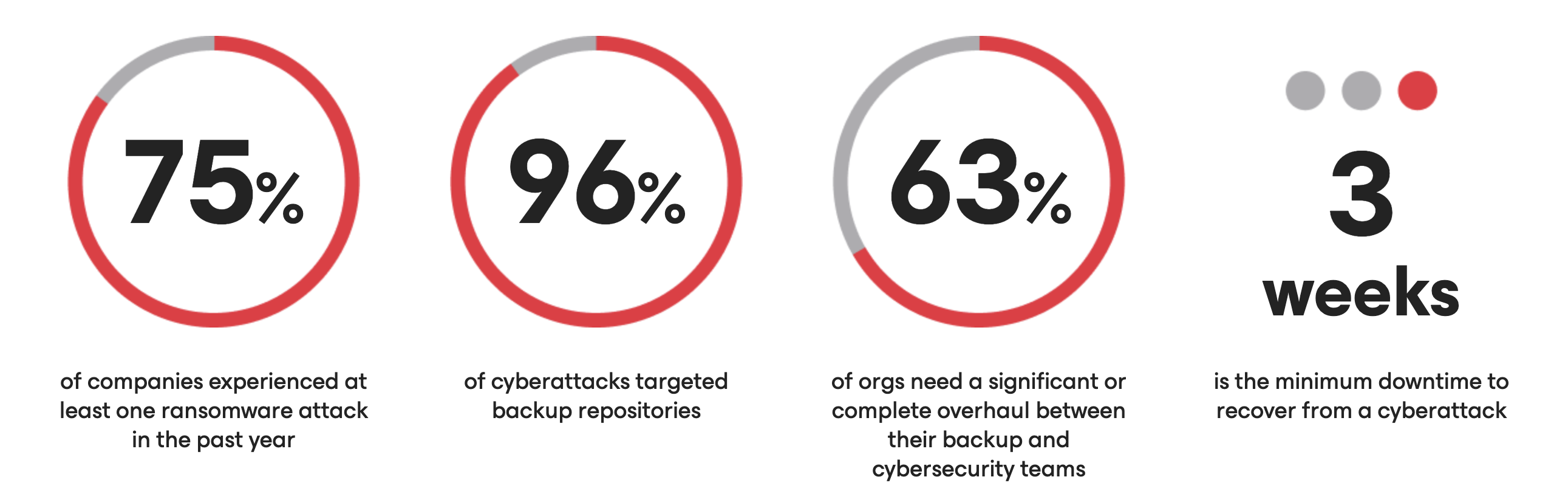
We cannot afford to ignore the ransomware threat. The costs extend far beyond any ransom payment. Not only do businesses lose money every minute their systems remain locked, the damage to reputation and customer trust often persists for years after an attack. Enterprise ransomware protection is more than just another IT concern—it’s become fundamental to business survival.
Understanding Ransomware Attacks in Enterprises
How Ransomware Targets Enterprises
Ransomware criminals employ various methods to penetrate business networks. Many attacks begin with a simple email—an employee clicks what appears to be a harmless link, unknowingly opening the door to attackers. These incidents usually unfold gradually, with criminals spending weeks or even months inside systems before launching their attack. The stealth period allows them to understand the network, locate valuable data, and disable security measures.
Common Attack Vectors
The ways ransomware enters enterprise systems have grown more sophisticated over time. Phishing emails remain a primary threat, as attackers compose increasingly convincing messages that trick employees into downloading malicious attachments. Fake software updates is another common entry point, appearing legitimate while carrying harmful code. Another point of entry is unsecured remote access points, especially with the rise of remote work.
Types of Ransomware
Enterprise ransomware comes in several dangerous forms. Traditional encrypting ransomware locks files until payment arrives, while more aggressive variants threaten to release sensitive data publicly. System lockers prevent access to entire computer systems, and network ransomware spreads rapidly across connected computers and servers. Each type requires specific defensive measures, making comprehensive protection very important.
Challenges Faced by Enterprises Due to Ransomware
Financial Impact
Ransomware attacks create massive financial burdens for affected organizations. Beyond the immediate ransom demands, which often reach millions of dollars, companies face substantial system recovery expenses. Business losses mount during extended periods of downtime, while emergency IT support adds to the growing costs. Legal fees and potential regulatory fines further increase the financial strain, and many companies must also compensate customers for service disruptions and data exposure.
Operational Disruptions
When ransomware strikes, business operations grind to a halt. Companies lose access to customer records, financial systems, and essential communication tools. Manufacturing controls freeze, shipping and logistics systems go dark, and employee databases become inaccessible. These disruptions create a cascade of problems that affect every aspect of business operations, from customer service to supply chain management.
Data Breaches and Data Loss
The consequences of ransomware attacks extend beyond temporary system lockouts. Organizations often face permanent loss of critical information when backup systems fail or become compromised. Confidential data exposure puts both the company and its customers at risk, while intellectual property theft can erase competitive advantages. Research and development work may be lost forever, setting projects back by months or years.
Reputation Damage
The long-term effects of ransomware attacks on company reputation is very challenging to overcome. Customer trust, once broken, takes years to rebuild. Media coverage of attacks often focuses on security failures rather than recovery efforts, while business partnerships may suffer as companies question their association with affected organizations. The overall brand value declines, and questions about security practices persist long after systems return to normal operation.
Regulatory and Compliance Risks
Ransomware attacks frequently create complex legal challenges for enterprises. Privacy law violations can result in significant fines, while industry regulation breaches may lead to additional penalties. Many jurisdictions require mandatory breach reporting, triggering government investigations and legal action. Customer lawsuits often follow, adding another layer of legal complexity to the recovery process.
How Hardware-Based Cybersecurity Solutions Combat Ransomware
Enterprise protection from ransomware must begin at the hardware level. Unlike software solutions that ransomware can disable, hardware-based security creates a physical barrier that malicious code cannot easily bypass. This basic approach to security provides a solid foundation for comprehensive system protection.
X-PHY Solutions for Ransomware Protection
Our enterprise ransomware solutions create multiple defensive layers through advanced hardware technology. Our systems monitor all activities in real-time, detecting suspicious file changes instantly and responding before damage occurs. When threats appear, automatic system lockdown procedures activate, while physical protection mechanisms safeguard critical data through hardware-level encryption.
Benefits of Hardware Solutions Over Software-Based Protection
Hardware security delivers significant advantages in the fight against ransomware. Unlike software defenses, hardware protection continues functioning even when operating systems become compromised. Response times improve dramatically, as hardware-based systems detect and block threats at the physical level. This approach provides more reliable protection without impacting system performance, making it ideal for enterprise environments.
Implementing Hardware Solutions in Enterprise Networks
Adding enterprise anti ransomware hardware requires thoughtful planning and execution. Organizations must first assess their current systems and identify critical assets requiring immediate protection. Implementation proceeds systematically, with careful testing at each stage to ensure proper integration. Staff training ensures everyone understands the new security measures, while ongoing adjustments optimize protection levels.
Best Practices for Ransomware Prevention in Enterprises
Employee Training and Awareness
Human behavior plays a central role in preventing ransomware attacks. Regular security training helps employees recognize phishing attempts and other common attack methods. Clear procedures for reporting suspicious activities ensure quick responses to potential threats. As attack methods change, ongoing education keeps staff informed about new risks and appropriate protective measures.
Regular Backups and Disaster Recovery Plans
Proper preparation prevents catastrophic data loss during ransomware attacks. Organizations should maintain multiple backup copies, with some stored offline to prevent compromise during attacks. Regular testing of recovery procedures ensures systems can be restored quickly when needed.
System Updates and Patch Management
Maintaining current system software stops many ransomware attacks before they begin. Regular updates close known security gaps, while automated patch management ensures consistent protection across all systems. Organizations must also address legacy systems that may harbor vulnerabilities, regularly reviewing and updating security configurations throughout their networks.
Examples of Successful Ransomware Defense
Recent experiences demonstrate the effectiveness of hardware-based ransomware protection. One manufacturing company prevented a potentially devastating attack when our hardware security detected and blocked suspicious encryption attempts before any data was lost. Similarly, a healthcare provider stopped ransomware from spreading through their network after our hardware protection identified the infection point.
These successes highlight the importance of rapid detection and response in preventing ransomware damage.
Enterprise ransomware prevention requires a comprehensive approach to security. Our hardware security solutions provides the strong foundation modern organizations need to protect against sophisticated ransomware threats.
The time to act is now, before an attack occurs. Contact us today to learn how our hardware-based solutions can protect your business from increasingly dangerous ransomware threats. Protective measures always cost less than recovery efforts.
[1] 3 trends set to drive cyberattacks and ransomware in 2024